Reading a Fantasy Cricket Match Preview Without Locking the Wrong Captain
A fantasy cricket match preview looks like a paragraph of captain calls. It is actually a set of claims a reader has to test before the deadline. The reader who tests the claims before locking the XI is the reader whose captain pick survives both toss outcomes.
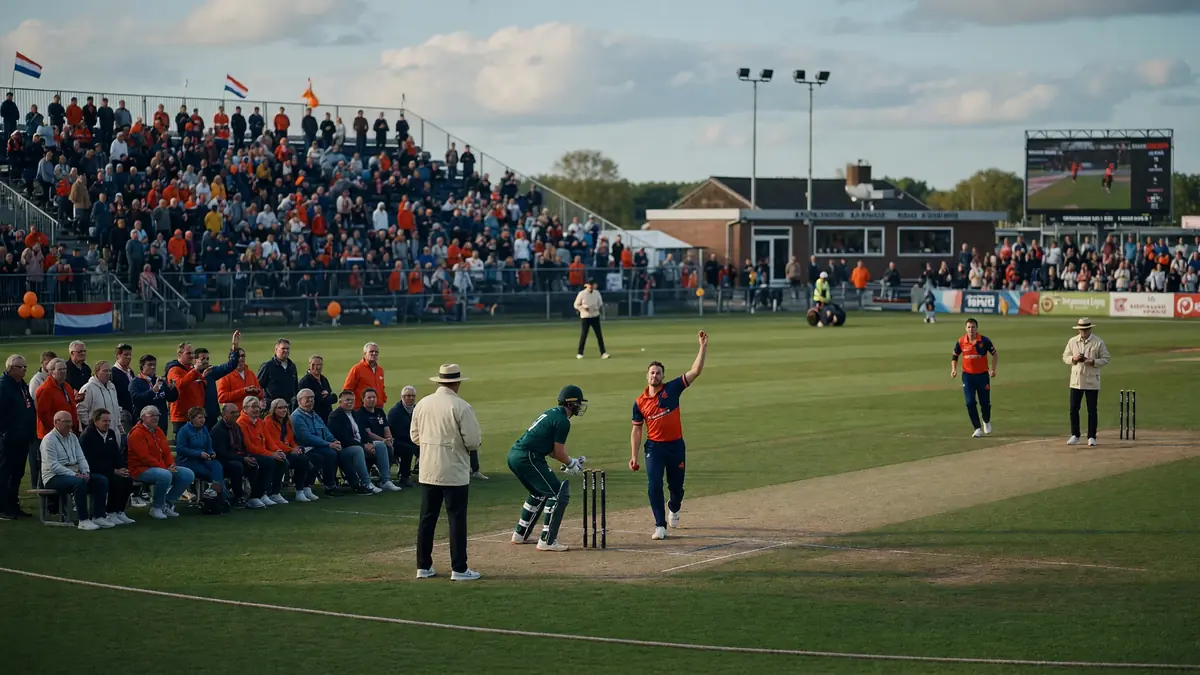
Locking the captain pick is not the same as reading the preview
Open the fantasy cricket match preview fifteen minutes before the toss and most readers do the same thing. They scroll to the captain pick, copy the name into the team sheet, and lock the XI. The preview then becomes the answer rather than the argument, and the deadline is spent defending a call the reader never tested.
The discipline that actually protects a captain pick is the opposite of the deadline rush. It treats the preview as a set of claims, asks which claim the preview has done the work to back, and refuses to lock a captain call against any claim the preview cannot show its work for. Three previews in any given week will survive that test. The other seven should be read, noted, and then discarded.
A useful preview names its inputs. A weak one hides them behind confident language.
The single multiplier that concentrates every preview error
A fantasy captain pick is paid double points on a single player's score. Everything else in the XI is paid once. That single multiplier concentrates the risk of every input the preview forgot into one name.
The four inputs the preview should be doing the work on are the playing XI, the toss, the pitch, and the weather. Each has its own evidence and its own revision window. The preview that has done the work labels each input. The preview that has not done the work buries all four inside one sentence that starts with "we are backing" and ends with a name.
The swap test before the deadline
The playing XI is the slowest input to settle. A probable XI published two hours before the toss is a working draft, not a lock. The XI changes when the squad list drops, when the impact player rule forces a swap, when a bowler pulls up in the warm up, and again when the toss call decides whether the spinner heavy XI or the seamer heavy XI is the right frame.
A preview that names a captain before the team sheets drop is asking the reader to lock a call against an XI it has not seen yet. The test for the reader is the swap test. If the team sheet swaps one player, does the captain call survive? On a flat deck with two strong anchors, the call usually survives. On a green deck with one specialist seamer, the call collapses if that seamer is rested.
If the preview has not run the swap test, the reader runs it. If the captain call does not survive a one player swap, the preview has not done the XI work.
Why a single captain call before the toss has a hidden assumption
The toss is the smallest input by information and the largest by effect. The on field captain calls bat or bowl, and that single call decides which side of the surface the captain value sits on. Bat first on a flat deck with no dew, the top order anchor carries the ceiling and earns the two times multiplier. Bowl first on the same deck with evening dew above sixty percent, the powerplay wicket taker carries the wicket window and earns the two times. Same fixture, opposite captain calls.
A preview that publishes one captain call before the toss has not done the toss work. A preview that publishes two calls, one anchored to each toss outcome, and then locks the call only after the coin lands has done the work. The reader's test is whether the preview survives the actual toss. If the captain call only works under bat first and breaks under bowl first, the preview has a hidden assumption.
Which role the captain two times actually pays
The pitch read decides which role the captain two times pays. On a flat track, the role is the anchor batter or the death overs batter. On a turning track, the role is the finger spinner or the left arm spinner. On a green track with lateral movement, the role is the new ball seamer. Without the pitch read, the captain call is just a name.
The honest limit on a remote pitch read is the source. Most published previews do not have an analyst at the ground. They work from photographs, video clips, and previous match notes. A preview that lists the previous three first innings scores at the venue and names which role topped each score is closer to a real pitch read than one that quotes a single average.
The dew threshold that is named, and the one that is not
The weather input is the fastest revising of the four and the easiest to over read. Rain is binary, overs are reduced or they are not. Dew is the input that quietly shifts role weightings by ten to thirty percent at venues that bowl first under lights, and it is also the input most often misread.
A dew probability above sixty percent at the toss is reliable enough to weight the captain call toward the chase. Below fifty percent, it is too speculative to override form. Two independent forecasts that agree above the sixty percent threshold are the working signal. A preview that names the threshold it is using has done the weather work. A preview that says conditions favour the chasing side without the number has not.
Three failure patterns that repeat across most weak previews
Three failure patterns repeat across most weak previews. The first is a captain pick published before the team sheets drop. The second is a captain pick that does not survive the toss. The third is a captain pick that ignores the surface. These are the same failure dressed differently. The writer ran fewer than four inputs and called the result a verdict.
A preview that has done the work shows the seams. It tells the reader which input drove the call, what would change the call, and what revision window each input sits in. A preview that has not done the work shows no seams. The reader who can spot the difference saves a deadline decision.
The reading method that survives every fixture
The reading method is stable because the inputs are stable. Every fantasy cricket match preview that names the four inputs produces the same shape, regardless of the teams involved. The role paid by the captain two times shifts by venue and conditions, but the method for naming the role does not shift.
For the next preview, the practical order is to read the playing XI first, the toss second, the pitch third, and the weather fourth, then test the captain call against the swap test, the toss test, and the surface test before the deadline. The predictions desk publishes each preview with the four inputs labelled, so the next call can be read against the last one rather than in isolation. The label is the audit trail a reader needs to disagree with a preview on its own terms.